
Complex care in Tunstall, Stoke-on-Trent
Welcome to Scotia Heights, where we provide nursing care for adults living with complex needs arising from mental health, neurological, and physical health conditions, including dementia.
Located on Scotia Road in Tunstall, Scotia Heights has 60 bedrooms across six purpose-built units, creating a homely and supportive environment that’s more responsive to individual needs.
We’re dedicated to making every day better for the people we support, helping them lead meaningful lives and achieve their personal goals.
Our trained team provides high acuity, nurse-led care services, particularly for individuals with secondary diagnoses, co-morbidities, or those who’ve experienced previous failed placements.
Whether you’re a healthcare professional seeking a complex care placement, or you’re exploring care options for a loved one, view our services below, or contact us to find out more.
Our care
The people we support at Scotia Heights would often be in a hospital or higher acuity setting if not placed with us.
Our care enables them to stay in the community, closer to their loved ones.
Registered with CQC for:
Caring for complex conditions:
Look around Scotia Heights
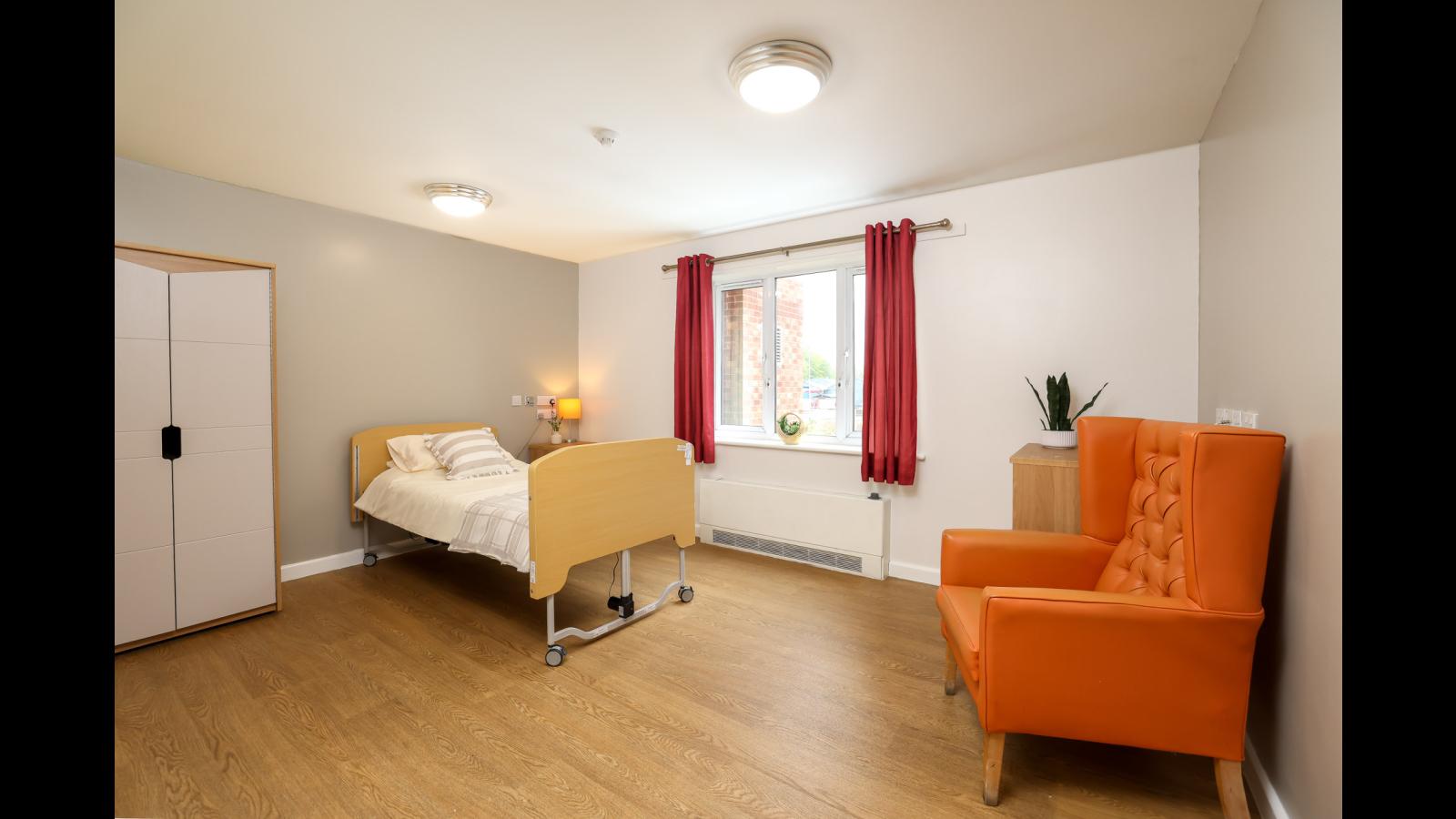
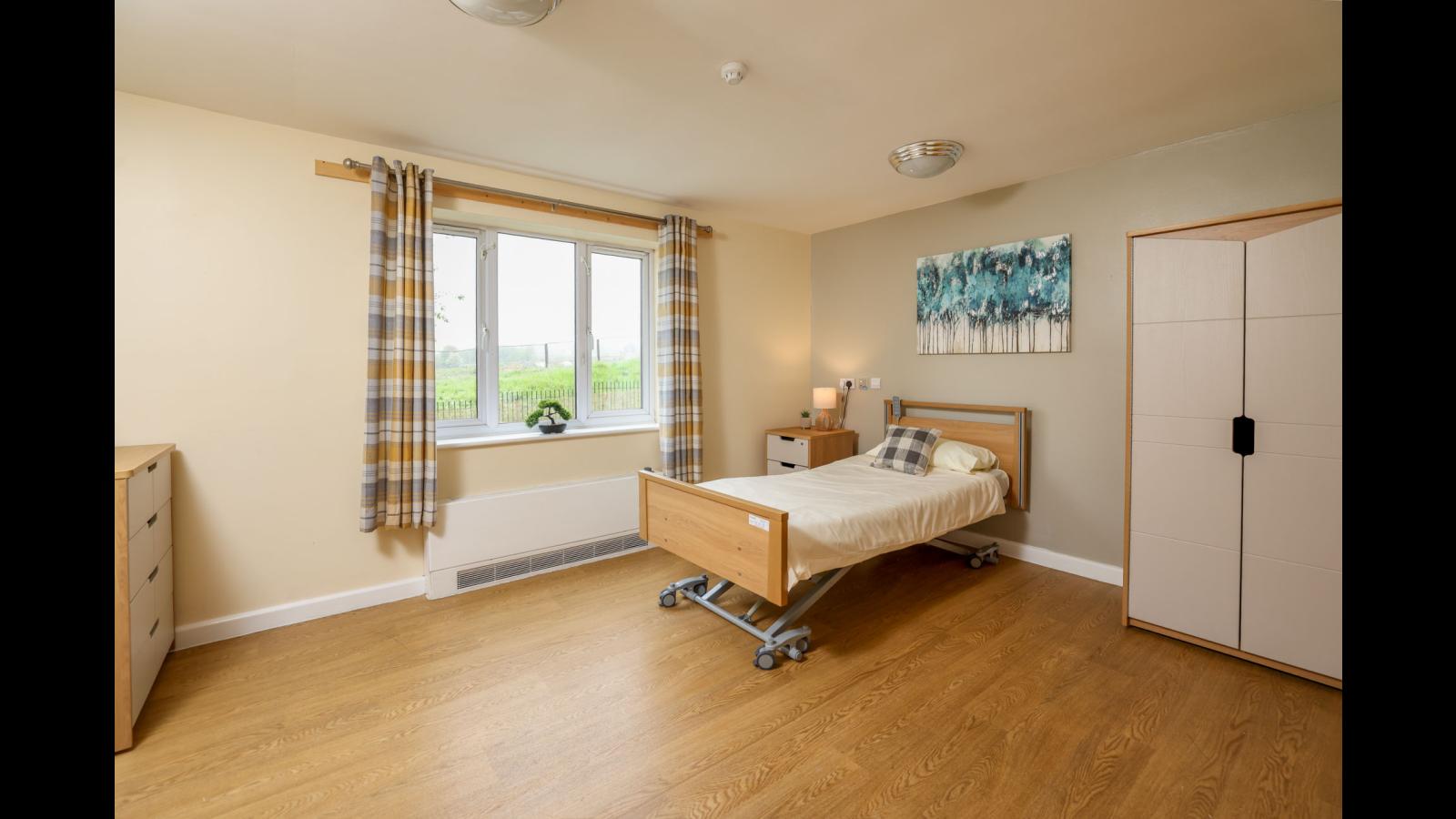
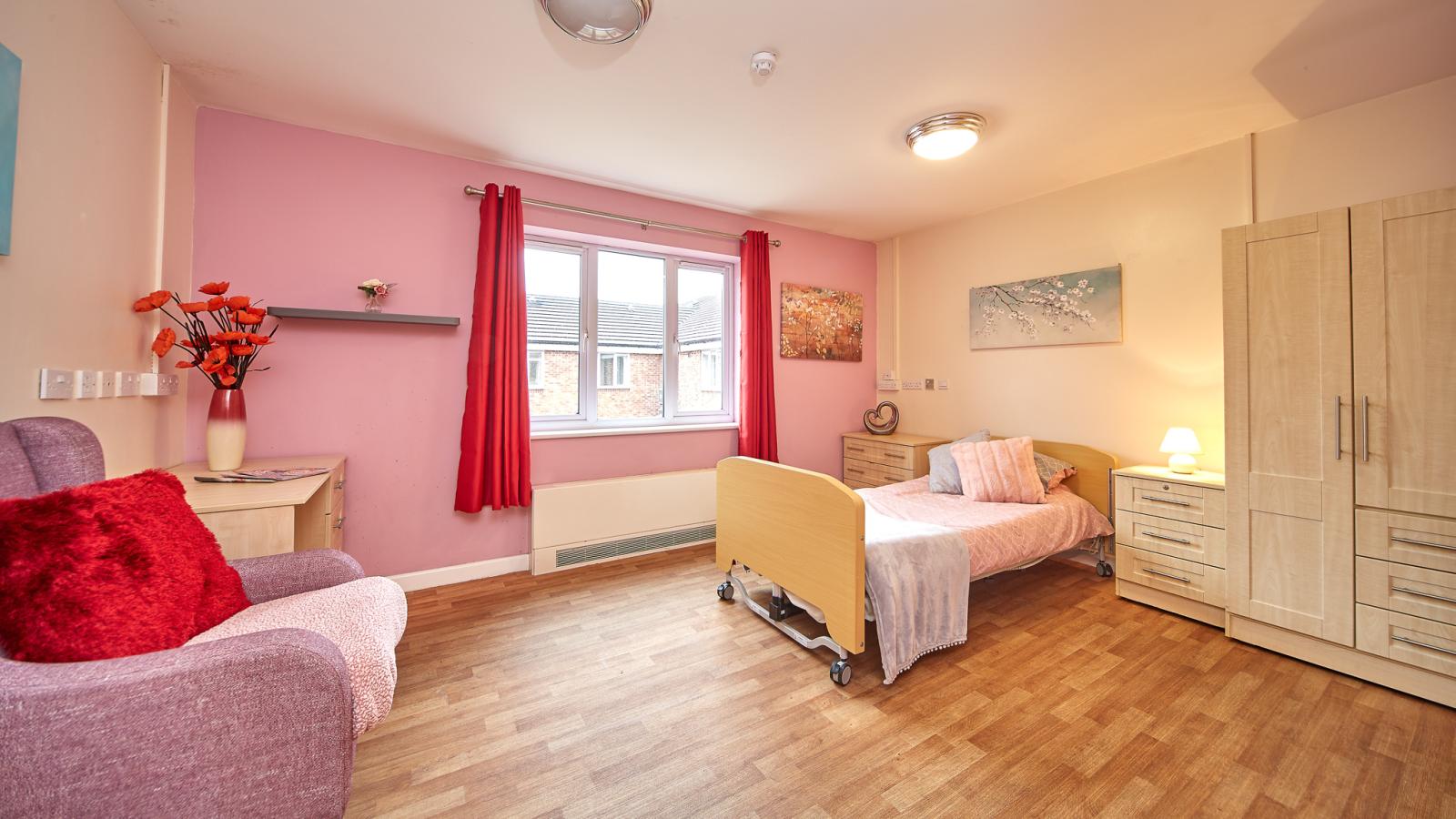
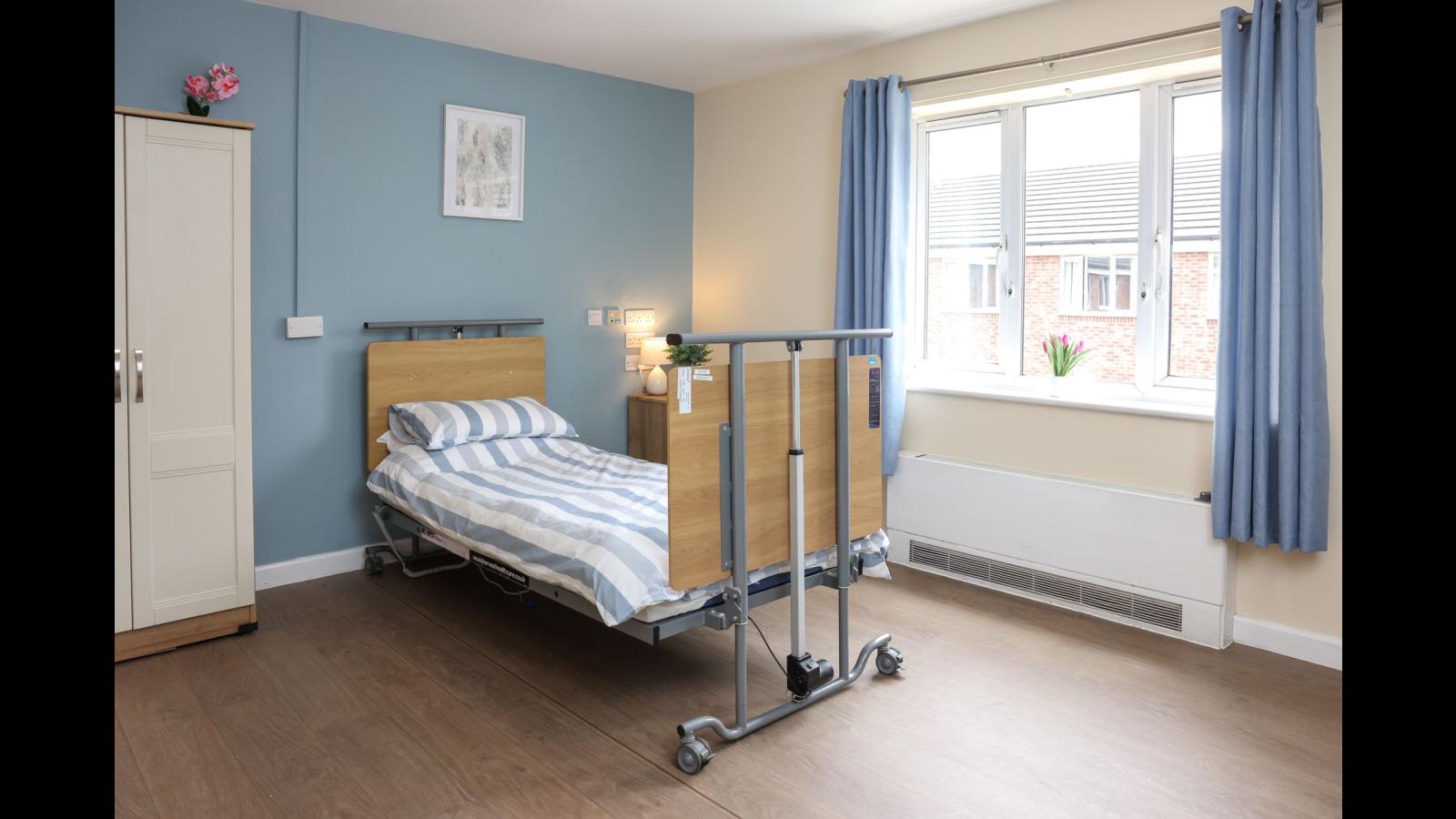
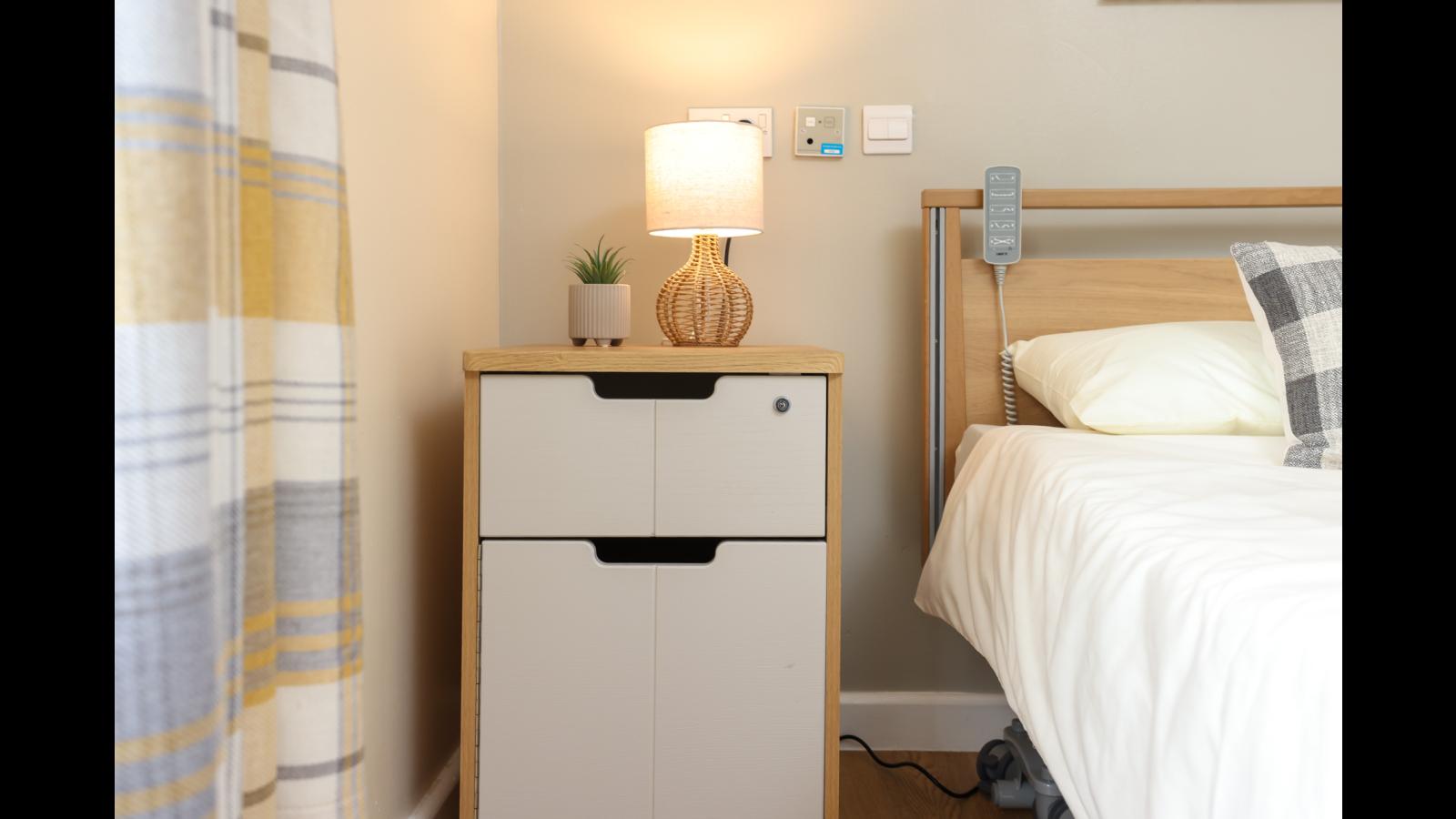
Scotia Heights has 60 bedrooms, each with an en-suite, across six units.
With this small group living, we’re able to provide a homely, and supportive environment that’s more responsive to individual needs.
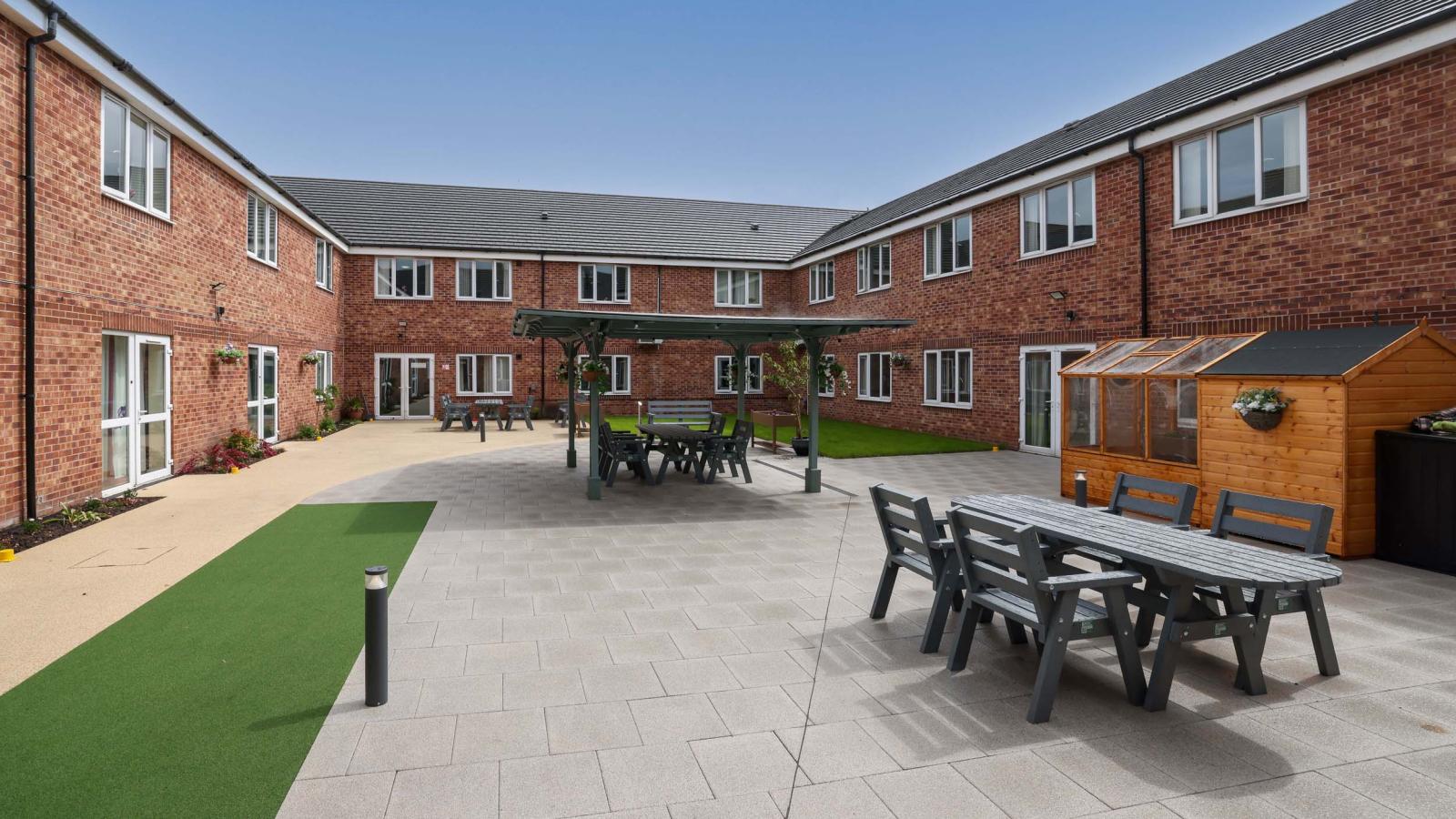
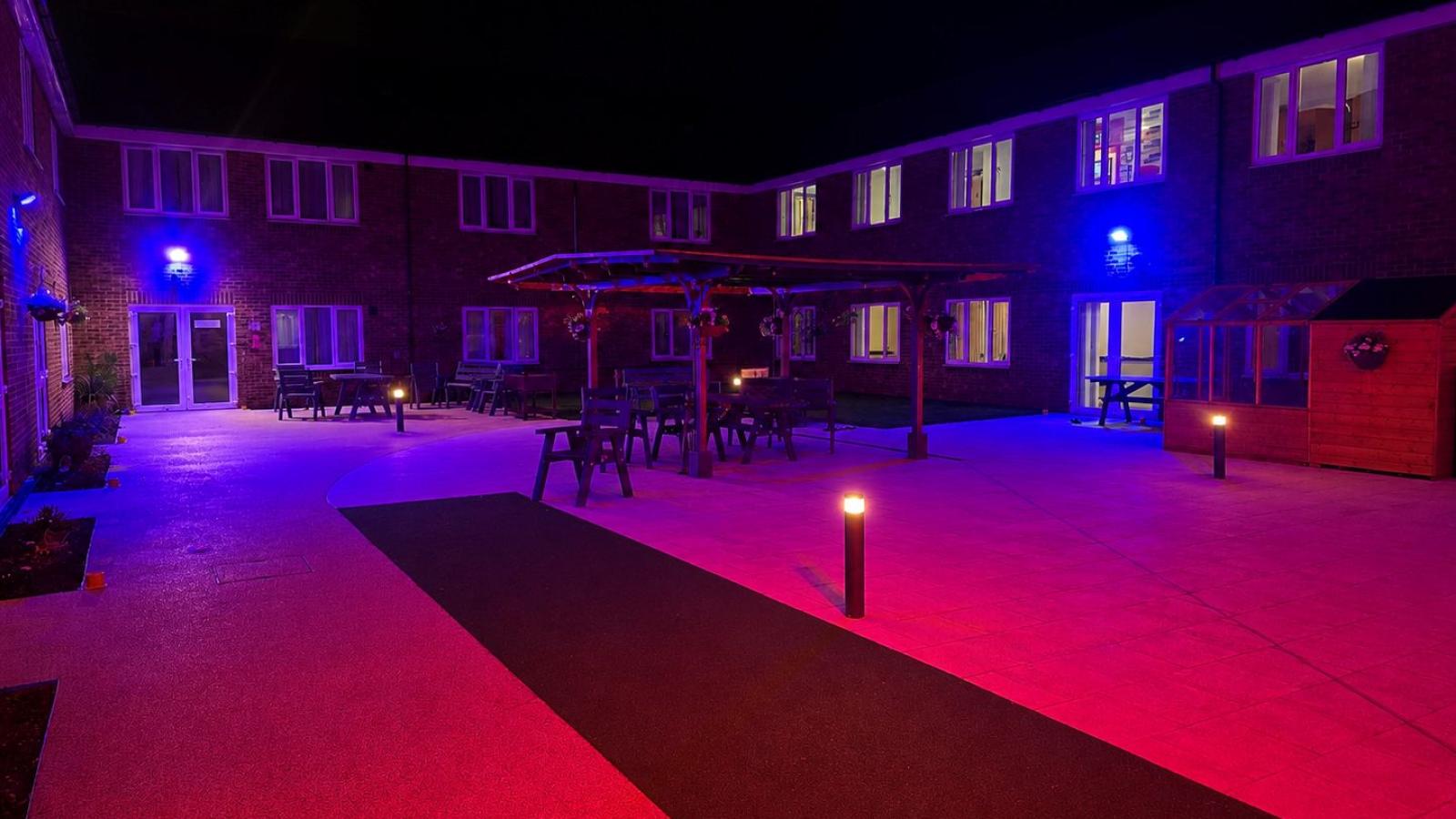
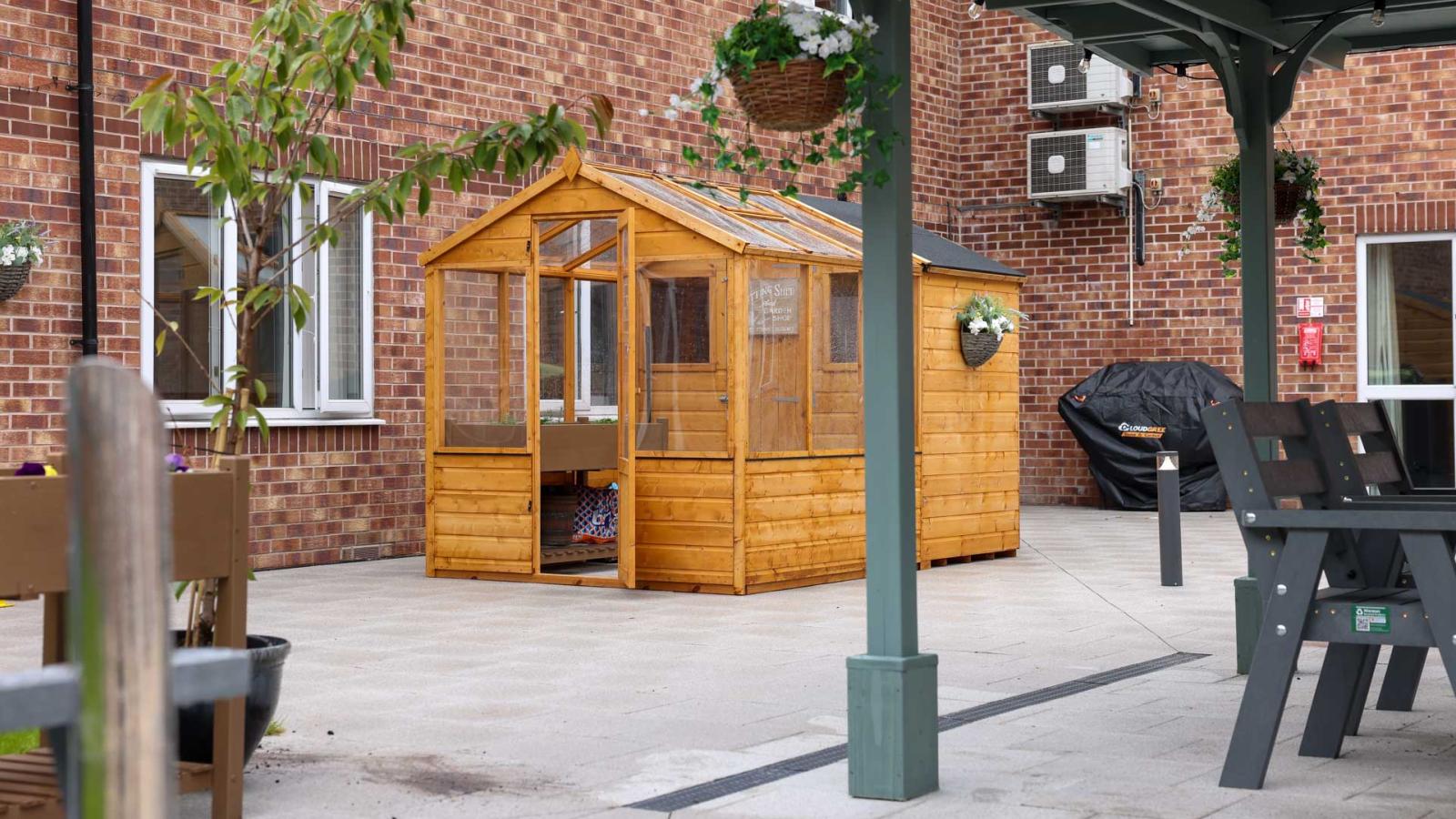
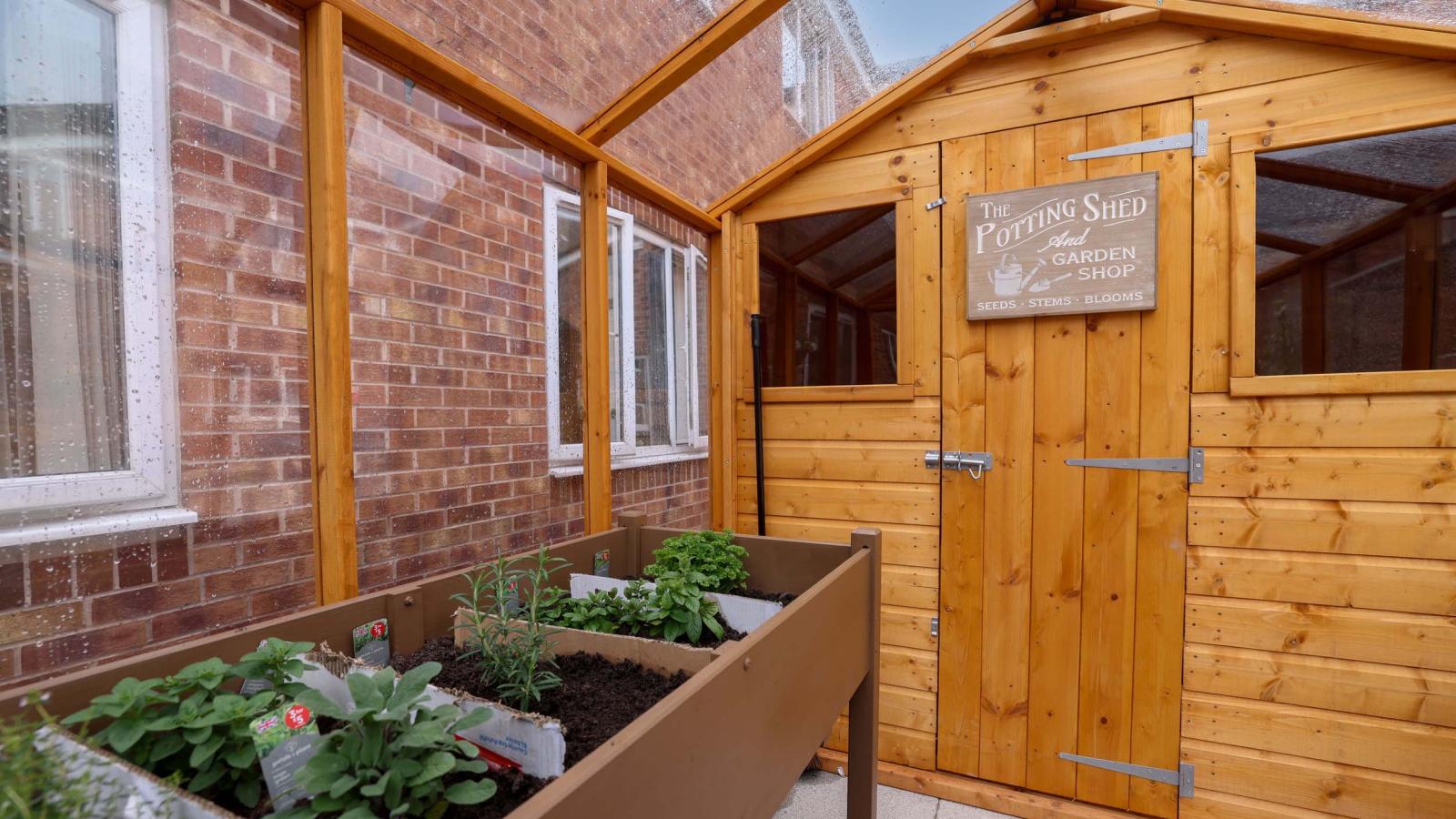
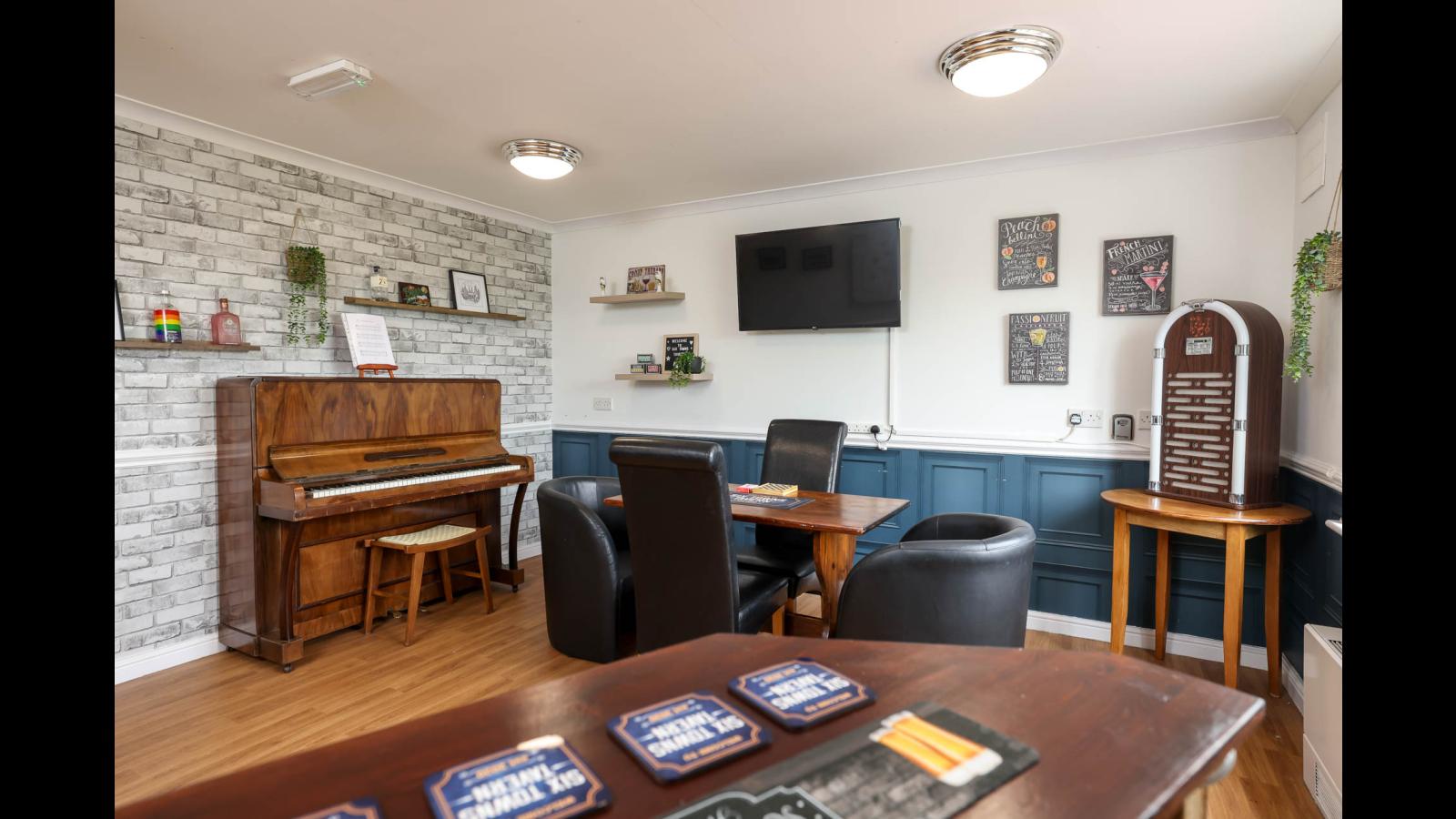
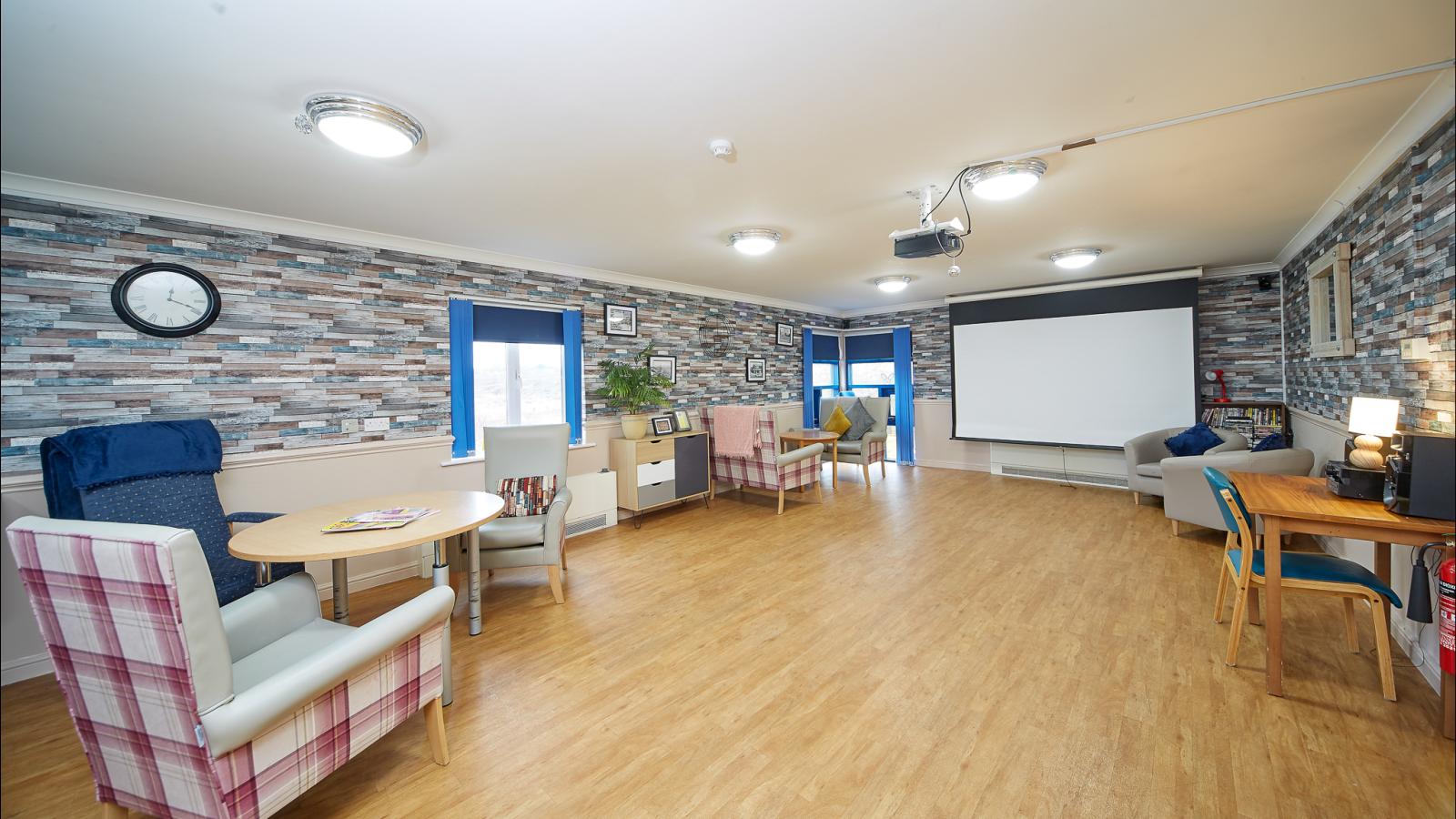
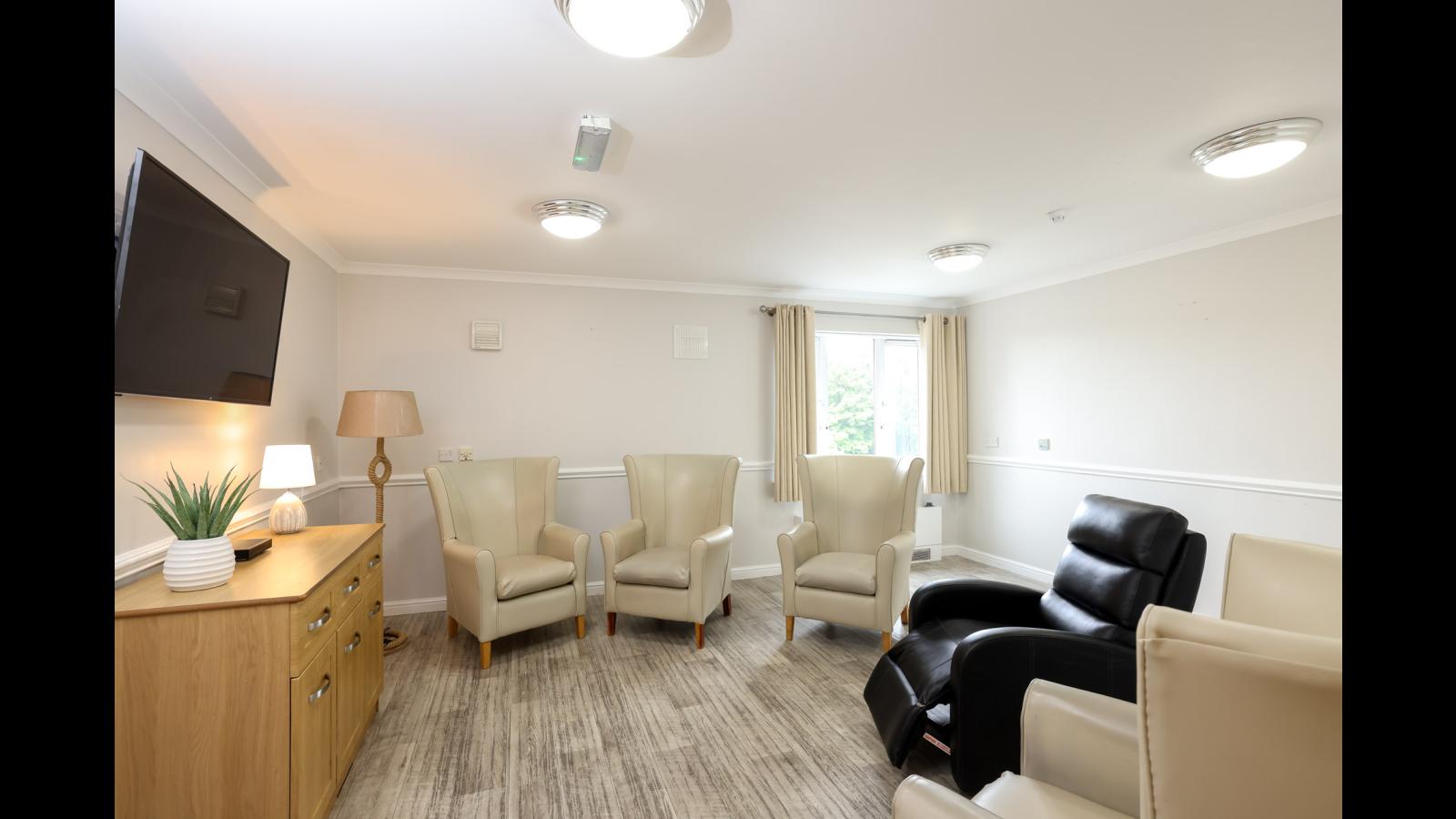
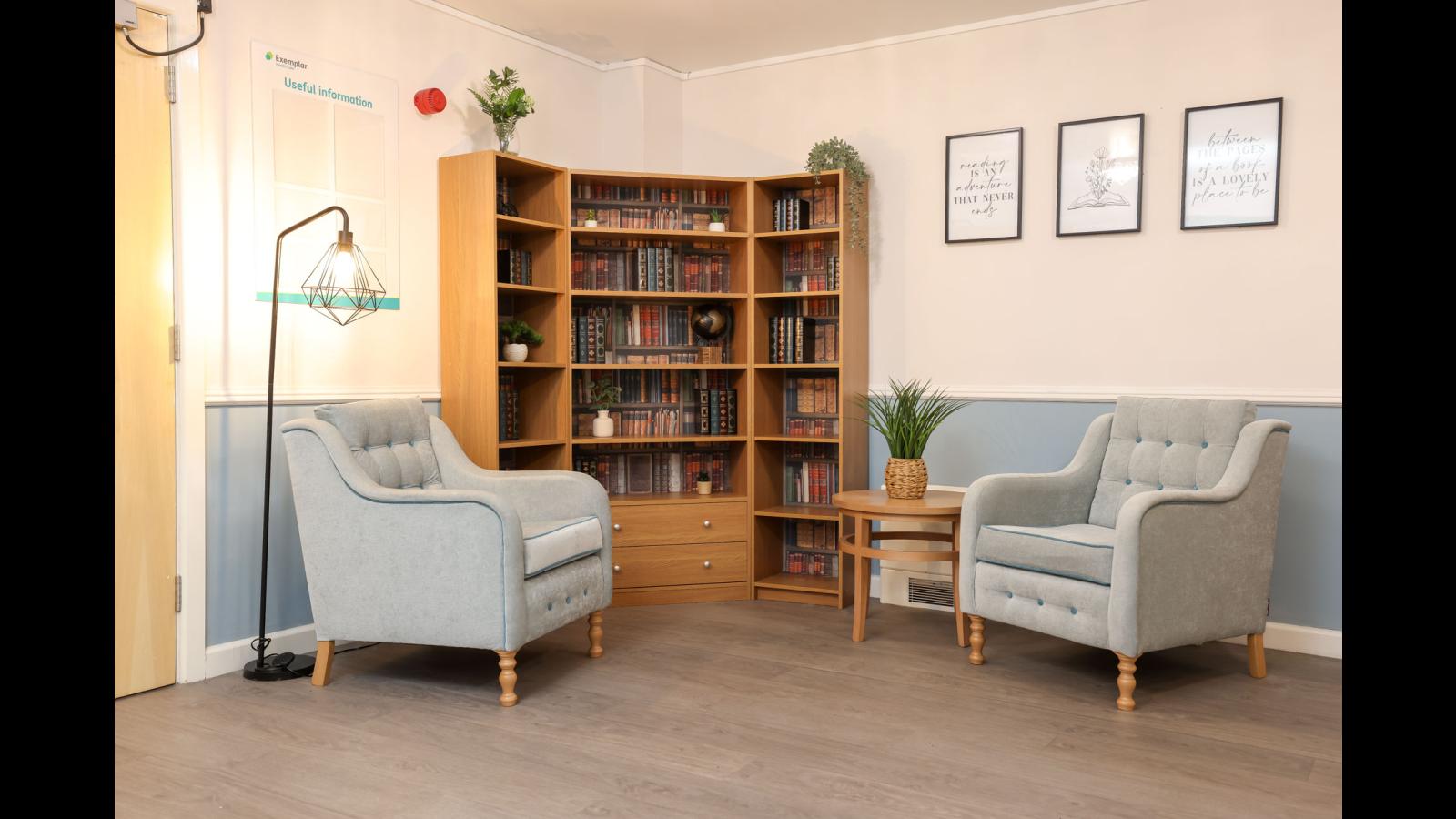
The home has communal dining and living spaces, an activities hub, a therapy room, a sensory room, the Six Town Taverns pub, and a large accessible garden.
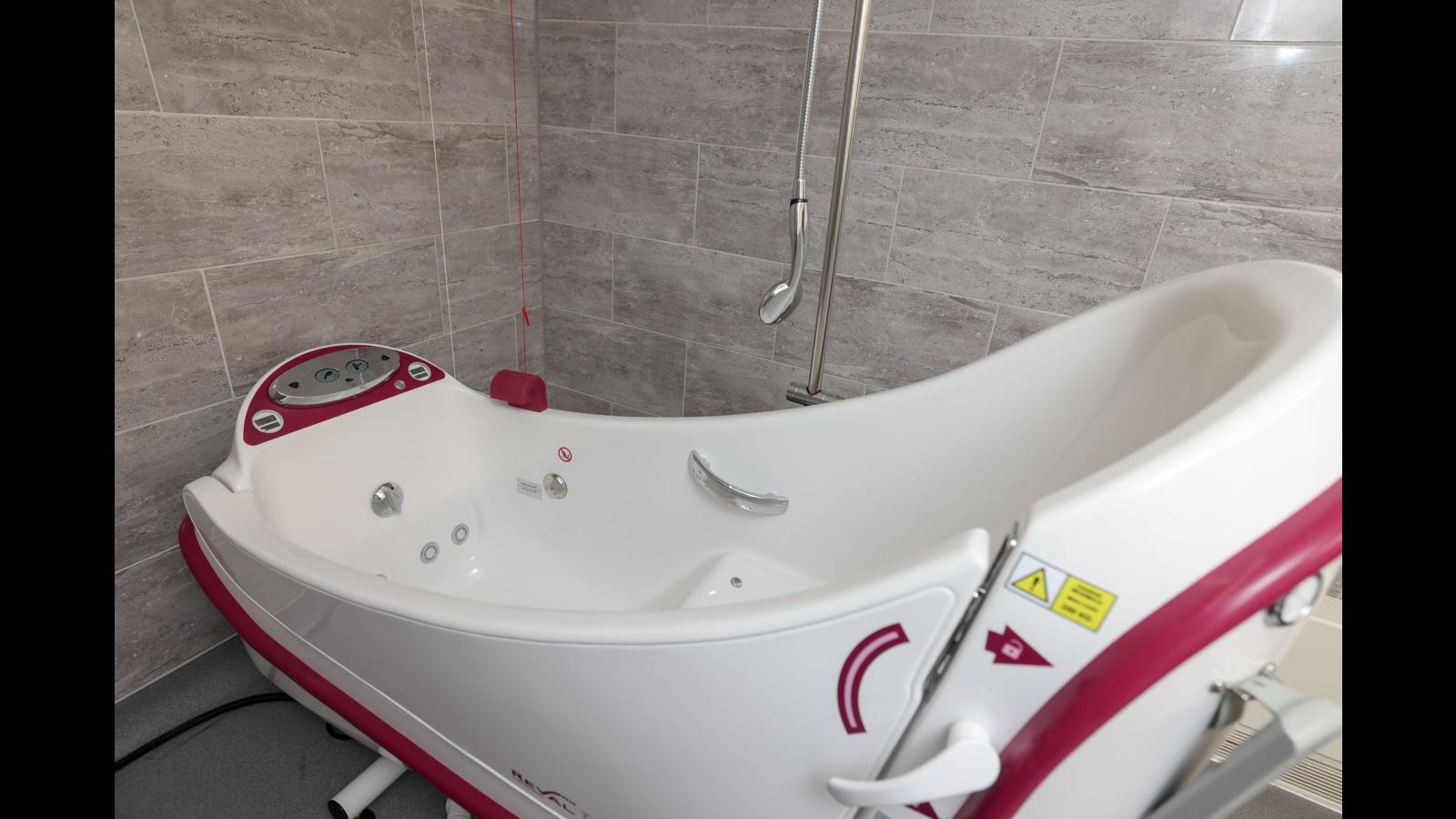
We offer a variety of accessible baths and showers for a range of mobility needs.
Scotia Heights is near local amenities and transport links, helping people stay connected to the community
Profile of need by unit
Aynsley Unit
Has complex mental health needs arising from a primary mental health or neurological diagnosis, including brain injury, bipolar disorder, schizophrenia, personality disorder, or severe depression with psychotic features
Requires care focused on emotional regulation, risk management, and recovery
Presents with behaviours of concern and increased clinical and safety risks, including aggression, emotional dysregulation, and self-harm or suicidal ideation
May have a forensic background and may remain subject to legal restrictions
May have a history of alcohol or other substance misuse
Bridgewater Unit
Has a primary mental health diagnosis, including bipolar disorder, schizophrenia, personality disorder, or a psychosis spectrum disorder
Requires care focused on rehabilitation, independence, community integration, and relapse prevention - with transition to a lower acuity setting where possible
Displays behaviours of concern at a lower level than Aynsley Unit, including emotional distress, occasional verbal conflict, or disengagement
May have a forensic background, with low ongoing risk
Doulton Unit (male-only)
Has complex physical health needs arising from a long-term physical disability or neurological condition, including acquired brain injury, or multiple sclerosis
Requires care focused on rehabilitation, independence, community integration
Is working towards greater independence, with potential to move to a lower-acuity setting where possible
Has good cognitive ability and communication
May have co-occurring mild to moderate mental health needs
May display low level behaviours of concern such as frustration or emotional distress linked to adjustment to disability
Moorcroft Unit
Has complex physical health needs arising from a long-term health or neurological condition, including acquired brain injury, cerebral palsy, motor neurone disease, multiple sclerosis, spinal cord injury, or a respiratory condition
Requires nursing and clinical interventions, including catheter and stoma care, enteral feeding, and advanced respiratory support such as tracheostomy care or mechanical ventilation
May have co-occurring mental health needs and display low to moderate behaviours of concern, usually associated with frustration, cognitive impairment, or communication difficulties
Portmeirion Unit
Has complex physical health needs arising from a long-term physical disability or neurological condition, including acquired brain injury, multiple sclerosis, or Parkinson’s
Requires care focused on consistent support, participation in daily activities, and quality of life
May present with increased clinical and safety risks, including dysphagia, falls, and pressure damage
May have co-occurring mild to moderate mental health needs
May display low level behaviours of concern, often linked to frustration or cognitive decline
Spode Unit
Has a primary dementia diagnosis, including alcohol-related, early-onset, frontotemporal, or vascular dementia
Presents with predominant mental health needs and cognitive impairment
Displays low to moderate level behaviours of concern such as agitation, resistance to care, verbal distress, and wandering
May have co-occurring physical health needs
May present with increased clinical and safety risks, including dysphagia, falls, and vulnerability


Join our team and make a difference at Scotia Heights
No matter who you are or what experience you have, there are many ways you can make a difference at Scotia Heights.
The people who live in our home need care from a variety of colleagues.
Our roles range from Registered Nurses and Health Care Assistants to Housekeepers and Cooks, and every member of our team has a vital part to play.
We’re proud to be a National Living Wage employer, offering stable employment in an inclusive, values-led environment.

A stroke left Andy with difficulties processing information, weakness in ...
Getting to Scotia Heights
Directions to Scotia Heights
Scotia Heights is a short drive from the M6 and other major roads including Barthomley Interchange and A500.
If you're travelling south on the M6, at junction 16 take the A500 exit to Newcastle-under-Lyme/Stoke-on-Trent (North)/Crewe/Nantwich.
If you're travelling north on the M6, at junction 15 take the A500 exit to Stoke-on-Trent/Newcastle-under-Lyme.
Scotia Heights is on Scotia Road, in between ASDA and Lidl.
There are limited parking spaces in the home’s car park. Street parking is available along Scotia Road.
Public transport to Scotia Heights
The home is a short walk from several bus stops.
Dimensions bus stop (stop ID: stoajpwa), which is accessed by buses 3A and 3.
Evans Street bus stop (stop ID:stoajpwd) which is accessed by bus 3.
There are two train stations in the area.
Longport - 1.5 miles away (34 minute walk or four minute drive).
Trent Valley path - 3.4 miles away (eight minute drive).


Explore care homes across England for adults with complex needs.
Get in touch to discuss a complex care placement for someone you support.
Explore rewarding roles with training, support, and chances to grow.
Reach out with questions about care placements, jobs, or general enquiries.